Web applications power logins, payments, and customer data, which makes them a common target for cyber attacks. Web application penetration testing helps identify how attackers can actually break into your system, not just where weaknesses exist. Security experts simulate real attack scenarios to uncover and validate vulnerabilities that could lead to data breaches or account takeover.
For example, a tester might bypass authentication or access restricted data to show real impact. Following standards like OWASP, it helps businesses fix critical risks early and protect users, revenue, and trust.
In this guide, we break down how web application penetration testing works, what it covers, and how to use it to strengthen your application’s security.
What Web Application Penetration Testing Is?
Web application penetration testing is an authorized security assessment where experts simulate real attack methods to identify and exploit weaknesses in an application. The goal is not just to find vulnerabilities, but to prove how they can be abused and what impact they create in real scenarios.
Unlike basic security checks, penetration testing focuses on exploitability. For example, a simple input flaw may seem harmless in a scan, but a tester can use it to access sensitive data or bypass authentication. That is where real risk becomes visible.
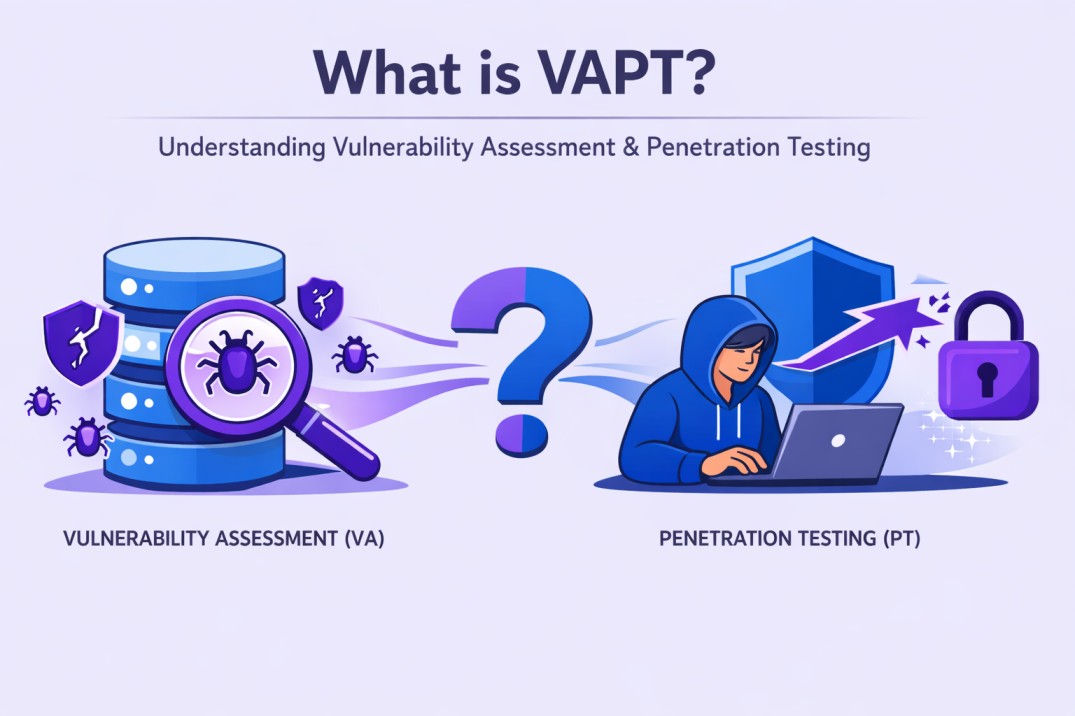
It is often part of a broader VAPT (Vulnerability Assessment and Penetration Testing) approach, where scanning identifies possible issues and penetration testing validates which ones truly matter.
Guided by frameworks from OWASP, the process targets the application layer, including login systems, APIs, and user workflows, where most real-world attacks occur.
Penetration Testing vs Vulnerability Scanning
Vulnerability scanning and penetration testing are often used together, but they serve different purposes. A vulnerability scanner uses automated tools to detect known security issues across an application. It is fast and useful for broad coverage, but the results often include false positives or low-risk findings without context.
Penetration testing goes deeper. It involves manual testing to verify whether a vulnerability can actually be exploited and what damage it can cause. For example, a scanner might flag a potential injection issue, but a penetration tester will attempt to use it to access or manipulate real data.
Tools like Burp Suite and OWASP ZAP support both approaches, but they cannot replace human analysis. Attackers do not rely on automated scans alone, and neither should your security strategy.
Why Web Application Penetration Testing Matters?
Web applications face constant threats, making it essential to understand why penetration testing is critical for protecting data, users, and business operations.
Common Security Risks in Modern Web Applications
Web applications are one of the most targeted entry points for attackers because they handle sensitive operations like authentication, payments, and data storage. Even a small flaw can lead to serious issues such as data breaches, account takeover, or unauthorized access to critical systems.
For example, a weak access control issue might allow one user to view another user’s private data. In real-world scenarios, such gaps have led to large-scale data exposure and financial loss.
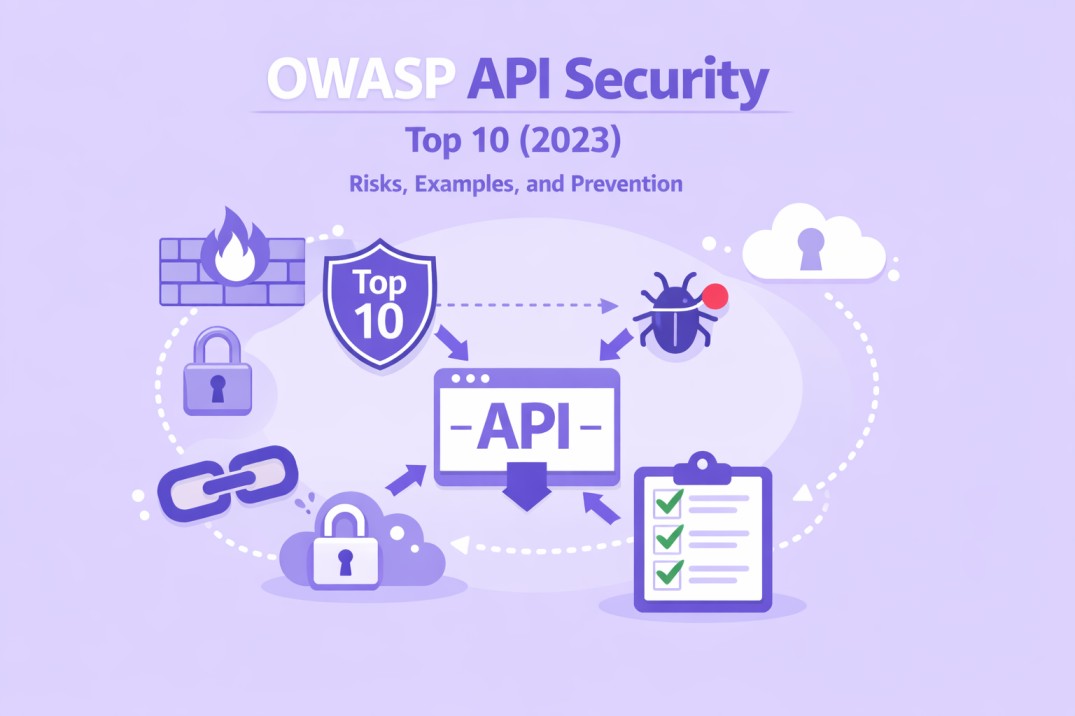
Many of these risks are well documented in frameworks like OWASP Top 10, which highlights the most common and dangerous vulnerabilities found in web applications. Penetration testing helps uncover how these risks actually affect your system, not just where they exist.
Compliance, Regulations, and Security Assurance
Beyond security, penetration testing plays a key role in meeting compliance requirements. Standards like PCI DSS and ISO 27001 often require regular security testing to ensure systems are protected against real world threats.
It also supports audit readiness by providing clear evidence of risk assessment and remediation efforts. For businesses handling customer data or operating in regulated industries, penetration testing is not optional. It is part of maintaining trust, avoiding penalties, and proving that security controls are working as expected.
What Is Included in a Web Application Pentest?
A web application pentest examines not just technical flaws but also business processes and workflows, ensuring every potential entry point is assessed for real world risks.
Understanding the Web Application Attack Surface
A thorough web application penetration test examines all components where attackers might gain access. This includes the frontend, backend, APIs, databases, and third party integrations. Hidden endpoints, client-side logic, and authentication mechanisms are also reviewed, as these often harbor unnoticed vulnerabilities.
For instance, testing APIs such as REST API or GraphQL may reveal data exposure risks that aren’t visible through the user interface. Authentication systems using OAuth or JSON Web Token are assessed to ensure users cannot bypass security controls.
By mapping the attack surface thoroughly, penetration testers can focus on the areas where exploitation is most likely, ensuring that testing uncovers real, actionable risks rather than theoretical issues.
Common Vulnerabilities Found in Pentesting
Penetration testing often reveals vulnerabilities that automated scans alone might miss. Common issues include:
SQL Injection: allowing attackers to manipulate or access database content.
Cross site Scripting (XSS): where malicious scripts execute in a user’s browser.
Broken Authentication and Access Control: enabling unauthorized access.
Security Misconfigurations: such as exposed debug settings or weak permissions.
Frameworks like OWASP Top 10 provide a reference for the most critical risks. Validating these vulnerabilities ensures businesses understand which issues could cause real harm, not just which are present.
Business Logic and Workflow Vulnerabilities
Beyond technical flaws, business logic vulnerabilities target how an application enforces rules. Examples include:
Abusing pricing flows or transaction approvals
Circumventing password reset mechanisms
Escalating privileges across roles or accounts
These issues can result in unauthorized actions even when technical controls appear secure. Penetration testing uncovers these risks by simulating realistic attacker behavior and multi-step scenarios, providing insights into weaknesses that might otherwise go unnoticed.
Types of Web Application Penetration Testing
Web applications can be tested using different approaches depending on the level of access and the testing goals. Understanding these types helps organizations choose the right strategy to uncover vulnerabilities effectively.
Black box, Gray box, and White box Testing
Penetration tests are often classified by how much information the tester has:
Black box testing: the tester has no prior knowledge of the application and simulates an external attacker.
Gray box testing: the tester has partial knowledge, such as user credentials or system architecture, which helps focus on high-risk areas.
White box testing: the tester has full access to source code, configurations, and internal documentation, allowing a deep assessment of vulnerabilities and logic flaws.
External, Internal, and Authenticated Testing
Another way to categorize testing is by the tester’s perspective:
External testing simulates attacks from outside the organization, focusing on public facing systems.
Internal testing evaluates risks from an insider or compromised internal account.
Authenticated testing assesses what a user can do once logged in, including privilege escalation and access to restricted functions.
The Web Application Penetration Testing Process
A structured process ensures that penetration testing is thorough, repeatable, and produces actionable results. Each phase builds on the previous one, from planning to reporting, to uncover real world risks effectively.
Planning, Scope, and Authorization
Before testing begins, it is essential to define the scope, targets, and rules of engagement. Legal authorization and testing agreements protect both the organization and the testers. Clearly specifying what systems, accounts, and components are in scope prevents accidental disruption.
This planning phase also sets operational boundaries to ensure testing does not interfere with live systems, while defining the objectives helps focus on the most critical business workflows.
Reconnaissance and Attack Surface Discovery
Testers start by mapping the application’s endpoints, parameters, and technologies. This includes discovering hidden functionality, integrations, and any entry points that attackers could exploit.
Reconnaissance identifies where vulnerabilities are likely to exist and establishes the foundation for more focused testing in later stages. It ensures no part of the application is overlooked, including APIs, third-party services, and backend components.
Vulnerability Testing and Manual Analysis
Manual testing validates vulnerabilities identified during reconnaissance. Key areas include authentication, session management, input validation, and business workflow logic.
By simulating realistic attack paths, testers can chain multiple flaws together to demonstrate how a single vulnerability might escalate into a serious breach. This phase moves beyond automated scans, uncovering logic flaws, chained attacks, and contextual risks that machines alone cannot detect.
Exploitation and Impact Validation
Once vulnerabilities are confirmed, testers attempt controlled exploitation to determine real world impact. This may include accessing sensitive data, bypassing controls, or manipulating application workflows.
Frameworks and standards such as CVSS and CWE help assess severity and prioritize remediation. Exploitation proves which vulnerabilities pose genuine risk to users, systems, and business operations.
Reporting, Remediation, and Retesting
The final phase documents findings, including evidence and proof-of-concept exploits, along with actionable remediation guidance. After fixes are applied, retesting ensures vulnerabilities are fully resolved.
A clear report enables compliance validation, audit readiness, and prioritization of security efforts. It turns technical testing into strategic insights that improve the organization’s overall security posture.
Standards and Frameworks Used in Penetration Testing
Adhering to established frameworks ensures that penetration testing is consistent, credible, and aligned with industry best practices. These standards guide testers on methodology, scope, and reporting, improving the quality and reliability of findings.
Major Pentesting Frameworks and Methodologies
Several frameworks provide structured approaches to web application penetration testing. Following established VAPT methodology, testers combine automated scanning with manual penetration testing to validate vulnerabilities effectively.
OWASP WSTG: Focuses on testing web applications comprehensively with detailed techniques.
PTES: Defines phases, rules of engagement, and reporting standards.
NIST SP 800-115: Provides guidance for planning and executing technical security tests.
OSSTMM: Emphasizes measurable security testing and risk assessment.
Risk Classification and Vulnerability Scoring
Once vulnerabilities are discovered, they are categorized by type and severity. Tools and frameworks such as CVSS and CWE help assess the potential impact and likelihood of exploitation.
Risk scoring allows organizations to prioritize remediation efforts, focusing first on vulnerabilities that pose the greatest threat to users, data, and business operations. This structured approach ensures that limited security resources are applied efficiently and effectively.
Tools Used in Web Application Penetration Testing
Using the right tools allows penetration testers to efficiently identify, validate, and exploit vulnerabilities. Tools support both automated scanning and manual testing, but they are most effective when combined with expert analysis.
Common Tools Used by Penetration Testers
Penetration testers use a variety of tools depending on the task:
Traffic interception and proxy tools: such as Burp Suite and OWASP ZAP to analyze and manipulate web traffic.
Vulnerability scanning tools: automated tools to identify common security issues.
Browser based testing utilities: to inspect and test client side behavior, JavaScript, and APIs.
Limitations of Automated Tools
While automated tools are helpful, they cannot detect all vulnerabilities. Human reasoning is essential to identify complex logic flaws, chained exploits, or business logic vulnerabilities.
For example, automated scans may flag a potential input issue, but only a manual test can confirm whether it can be exploited to access sensitive data. This is why tools are used in combination with expert led manual penetration testing to ensure a complete security assessment.
Understanding these limitations reinforces the importance of a structured methodology and highlights why penetration testing is more than just running scans.
When Organizations Should Perform Web Application Pentesting?
Timing is crucial to ensure penetration testing effectively reduces risk. Testing at the right moments in the software lifecycle helps uncover vulnerabilities before they can be exploited.
Key Moments in the Software Lifecycle
Organizations should perform web application penetration testing at critical points, including:
Before production release: to catch vulnerabilities before users are exposed.
After major application changes: such as new features, integrations, or architecture updates.
After security incidents: to verify that fixes address root causes and no new issues exist.
During compliance audits: to provide evidence for regulatory or industry standards.
Continuous Testing vs Point in Time Assessments
Annual or one-time tests may leave gaps as applications evolve. Continuous security testing integrates penetration testing into the development lifecycle, often through DevSecOps practices, providing ongoing validation against emerging threats.
By testing continuously, organizations can monitor evolving attack surfaces, detect new vulnerabilities quickly, and maintain stronger security assurance throughout the software lifecycle. This approach ensures that risk reduction keeps pace with application changes and threat evolution.
Limitations of Web Application Penetration Testing
While penetration testing is essential for uncovering security risks, it cannot guarantee complete protection. Understanding its limitations helps organizations complement it with other security practices for a more robust defense.
What Pentesting Can and Cannot Guarantee
Penetration testing reduces risk by identifying and validating vulnerabilities, but it cannot prove an application is fully secure. Limitations arise due to scope restrictions, time constraints, and environmental visibility. Some flaws may remain undiscovered if they fall outside the agreed testing boundaries or occur only under rare conditions.
Complementary Security Practices
To strengthen overall security, penetration testing should be combined with other practices, such as:
Secure coding practices: preventing vulnerabilities at the source.
Threat modeling: anticipating potential attack paths.
Code review and static analysis (SAST): detecting issues in application logic.
Continuous monitoring and detection: identifying new threats in production.
How to Choose the Right Web Application Penetration Testing Approach?
Selecting the right penetration testing approach ensures the engagement addresses an organization’s specific security needs and business objectives. A well-planned strategy maximizes value and uncovers meaningful risks.
Planning a Successful Pentesting Engagement
Before starting, define clear goals and scope. Identify critical business workflows, sensitive data, and high-risk components to focus the test where it matters most. Organizations can also engage external providers through Penetration Testing as a Service (PTaaS), accessing expert testers and actionable reports without maintaining an internal team.
Collaboration between the security team, developers, and business stakeholders is essential to balance thorough testing with operational safety.
Indicators of a High Quality Penetration Test
A reputable penetration test demonstrates:
Structured methodology: following recognized standards like OWASP WSTG or PTES.
Evidence based findings: proof-of-concept exploits that validate real risk.
Actionable remediation guidance: clear steps to fix vulnerabilities.
Retesting and validation: confirming that fixes are effective.
Frequently Asked Questions
What Is the Difference Between Penetration Testing and Vulnerability Scanning?
Vulnerability scanning identifies potential weaknesses using automated tools, while penetration testing validates whether those vulnerabilities can actually be exploited and assesses their real-world impact.
How Often Should Web Applications Be Penetration Tested?
Testing frequency depends on the application’s risk profile, development cycle, and compliance requirements. Critical applications should be tested after major updates and at least annually, with continuous testing recommended for dynamic environments.
What Vulnerabilities Are Commonly Discovered During Pentesting?
Common findings include SQL injection, cross-site scripting (XSS), broken authentication, insecure session management, and business logic flaws. Penetration testing uncovers both technical and workflow vulnerabilities that automated scans might miss.
What Tools Do Penetration Testers Use?
Testers rely on traffic interception tools (e.g., Burp Suite, OWASP ZAP), vulnerability scanners, and browser-based testing utilities to analyze, manipulate, and validate application behavior.
How Long Does a Web Application Penetration Test Take?
Duration varies by application complexity, scope, and testing type. Small applications may take a few days, while complex systems with multiple integrations and user roles can require several weeks, including reporting and retesting.